
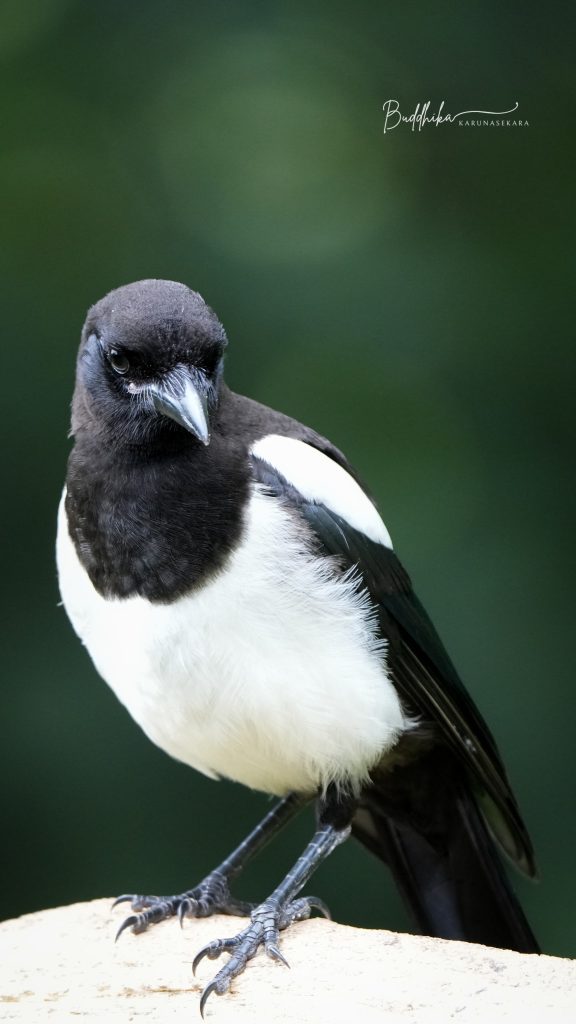
As you stroll through a park on a crisp autumn morning, a flash of black and white catches your eye. Perched on a nearby branch, a magpie observes you with keen interest. With their intelligent gaze and distinctive plumage, these striking birds have long captured the human imagination, featuring prominently in folklore and superstitions across various cultures.
Perhaps the most well-known piece of magpie lore is the counting rhyme, popular in the United Kingdom: “One for sorrow, Two for joy, Three for a girl, Four for a boy, Five for silver, Six for gold, Seven for a secret never to be told.” This rhyme, which has many variations, reflects the belief that the number of magpies one sees can predict future events. Spotting a single magpie is often considered unlucky, while seeing two or more is thought to bring good fortune.
In many European cultures, magpies are associated with positive and negative omens. In some regions, they’re seen as thieves due to their attraction to shiny objects, leading to tales of magpies stealing jewellery and other valuables. In Scandinavian folklore, magpies are sometimes considered the devil’s bird, carrying gossip between the mortal world and the underworld. However, in Norway, they’re also seen as birds of good fortune, particularly if they build a nest near one’s home.
In Chinese culture, magpies are harbingers of good luck and joy. The bird is known as “xi que” (喜鹊), which literally translates to “bird of joy”. There’s a famous Chinese folktale about the Cowherd and the Weaver Girl, star-crossed lovers who can only meet once a year when magpies form a bridge across the Milky Way. In Korea, the magpie is the national bird and is associated with good luck, prosperity, and a messenger of good news. Korean folklore tells of magpies delivering messages between Earth and Heaven.
Among some Native American tribes, the magpie is seen as a trickster, similar to the coyote or raven in other tribal mythologies. These stories often depict the magpie as clever and mischievous, sometimes helping humans and sometimes playing pranks on them.
Even in modern times, magpies continue to inspire superstitions. In the UK, it’s common for people to greet a lone magpie to ward off bad luck, often saying, “Good morning, Mr. Magpie. How is your lady wife today?” This is believed to acknowledge the bird’s missing mate and counteract the “one for sorrow” belief.
The rich tapestry of folklore surrounding magpies reflects our complex relationship with these intelligent birds. Whether viewed as bearers of good fortune, messengers of the divine, or clever tricksters, magpies have undoubtedly left an indelible mark on human culture and imagination. So, the next time you spot a magpie, take a moment to appreciate not just the bird itself but the wealth of stories and beliefs it represents. And if you see two, well, joy might be on its way!