
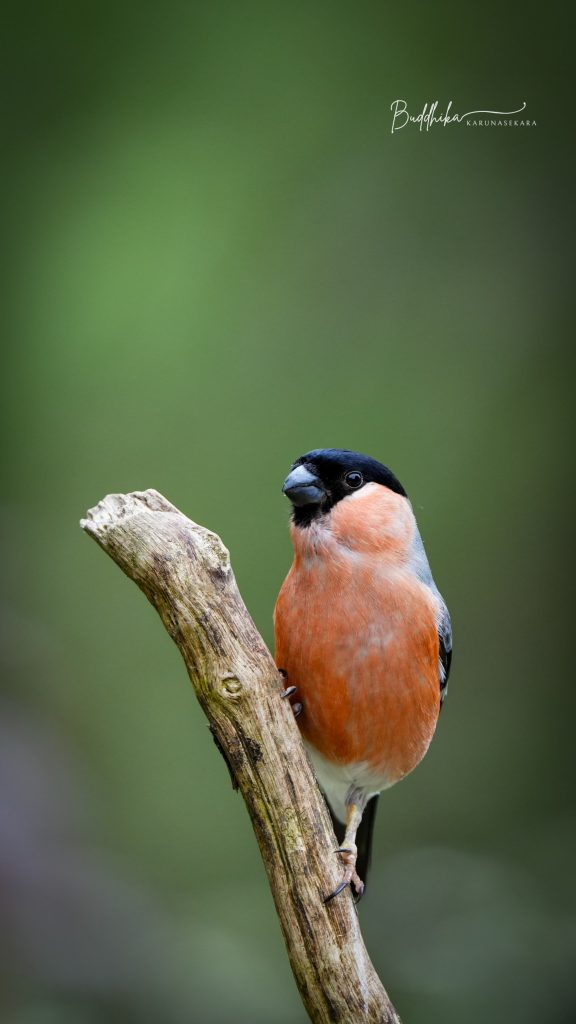
In the quiet of a winter morning, a flash of crimson catches your eye. A bullfinch, plump and proud, perches on a snow-laden branch. This small bird, with its vivid rose-red breast and gentle demeanour, has inspired folklore and captured people’s imagination for generations. From predicting the weather to influencing fruit harvests, the bullfinch’s role in European folklore is as colourful as its plumage.
Across rural Europe, bullfinches were once believed to be nature’s own meteorologists. Old tales speak of their songs as weather prophecies – a bullfinch’s trill on a rainy day was said to herald approaching sunshine, while an unusual silence on a fair day might warn of impending storms. These weather-predicting abilities made the bullfinch a valuable ally to farmers and gardeners.
In the orchards of England, the relationship between bullfinches and humans took on a more complex nature. Known for their fondness for fruit tree buds, these birds were sometimes seen as potential threats to the harvest. Yet, rather than viewing them as pests, some farmers developed a superstitious respect for the bullfinch. Local lore suggested that these birds held sway over the fruit harvest, leading to curious traditions of leaving offerings to appease the bullfinches and ensure a bountiful crop.
The bullfinch’s transformation from its dull juvenile plumage to the striking colours of adulthood didn’t go unnoticed in folklore. This dramatic change inspired tales of metamorphosis, with the bullfinch often symbolising personal growth or unexpected life changes in local stories.
An old European fable tells of a singing contest between a bullfinch and a nightingale. The bullfinch, proud of its beautiful plumage, believed it would also have the most beautiful song. However, when the plain-looking nightingale began to sing, its melody was so enchanting that the bullfinch realised appearances can be deceiving.
Due to their red breasts and their presence in winter, bullfinches have become associated with Christmas in some cultures. They often appear on Christmas cards and decorations, symbolising the festive season.
The beauty of the bullfinch has inspired many artists and writers over the centuries. They appear in numerous paintings, particularly in still life compositions and winter scenes. Poets have also written about these birds, often using them as symbols of beauty or resilience in harsh conditions.
While these tales may not have a scientific basis, they reflect the long-standing human fascination with the natural world. The bullfinch, with its striking appearance and gentle demeanour, continues to charm bird enthusiasts and nature lovers, keeping these old tales alive in modern times.