
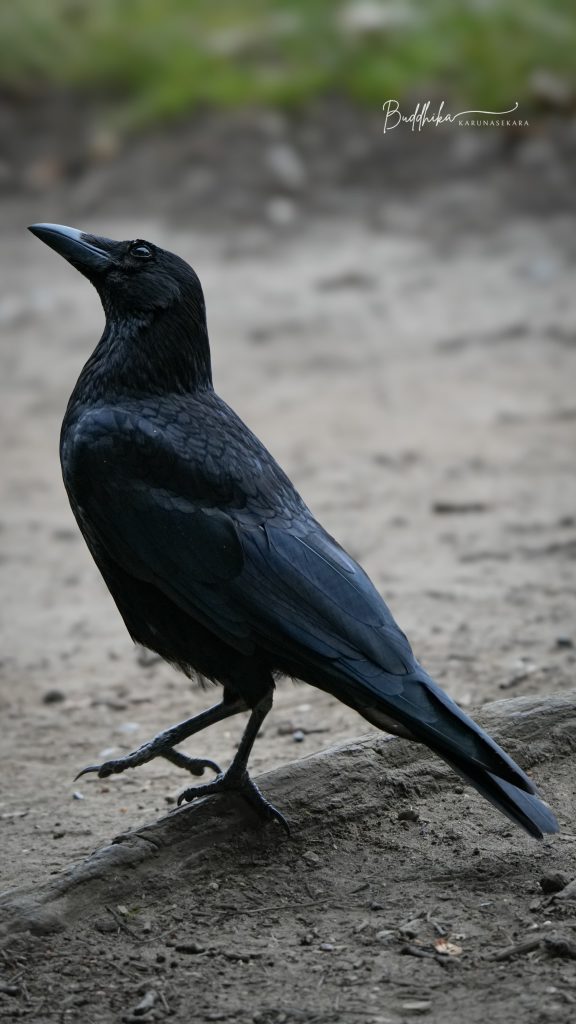
Perched atop weathered fenceposts or cawing from gnarled branches, crows have long been a fixture of our landscapes and our imaginations. These ebony-feathered birds, with their keen eyes and raucous calls, have woven themselves into the fabric of human folklore across the globe, inspiring both awe and unease.
Old wives’ tales speak of crows as harbingers of fate in the misty hills of the British Isles. A solitary crow spotted on a morning walk might send a shiver down one’s spine, seen as a portent of ill fortune. Yet, should a pair of crows catch your eye, you might find yourself breathing a sigh of relief, for they’re said to herald good tidings. This duality in crow symbolism is common in many cultures, reflecting our complex relationship with these clever corvids.
The Celts saw crows as creatures of magic, capable of slipping between worlds. In their lore, the imposing figure of the Morrigan, goddess of war and fate, often took the form of a crow, her piercing gaze striking fear into the hearts of warriors. Across the pond, Native American stories paint the crow as a wily trickster, using its sharp wit to outwit predators and humans alike.
Ancient Egyptians viewed these birds as guides for the deceased, helping souls navigate the treacherous path to the afterlife. This association with death and the beyond echoes in Norse mythology, where Odin’s ravens, Huginn and Muninn, served as his eyes and ears in the mortal realm, bringing him whispers of events unfolding across the Nine Worlds.
Yet, for all their connections to the dark and mysterious, crows are also revered for their intelligence. In Japan, the Yatagarasu, a mythical three-legged crow, is seen as a symbol of divine guidance. Hindu tradition associates crows with ancestors and karma, believing that feeding these birds can bring blessings from departed loved ones.
Even in our modern world, where science has demystified much of nature, crows continue to inspire urban legends and contemporary folklore. Tales abound of their remarkable problem-solving skills and their uncanny ability to remember human faces for years, spawning stories of grudge-holding crows and lifelong avian friendships.
This rich tapestry of beliefs and stories surrounding crows reflects our enduring fascination with these birds. Whether we see them as wise guides, mischievous tricksters, or as clever creatures sharing our world, crows have firmly established themselves in our collective consciousness, ensuring their place in our stories for generations to come.